Canavalia sericea A. Gray
| Embranchement | Dicotyledones | ||||||||||||||||||||||||||||||||||||||||||||||||||||||||||
| Famille | Fabaceae J. Lindley | ||||||||||||||||||||||||||||||||||||||||||||||||||||||||||
| Genre | Canavalia M. Adanson | ||||||||||||||||||||||||||||||||||||||||||||||||||||||||||
| Espèce | Canavalia sericea A. Gray | ||||||||||||||||||||||||||||||||||||||||||||||||||||||||||
| Référence | A. Gray, U.S. Expl. Exp., Phan. : 440 (1854) ; B.C. Seemann, Fl. Vit. : 58 (1865) ; J. Nadeaud, Énum. pl. Tahiti : 80 (1873) ; E. Drake, Ill. fl. ins. pacif. : 153 (1890) ; E. Drake, Fl. Polynésie franç. : 50 (1892) ; F.B. Brown, Bernice P. Bishop Mus. Bull. 130 : 116 (1935) ; B. Huguenin, Cah. Pacifique 18(2) : 465 (1974) ; N. Hallé, Cah. Indo-Pacifique 2(3) : 113 (1980) ; H. St. John, Census Fl. Gambier Islands : 15 (1988) ; F.R. Fosberg, Prelim. Checklist flow. pl. ferns Soc. Isl. : 48 (1997) ; | ||||||||||||||||||||||||||||||||||||||||||||||||||||||||||
| Type biologique: | Liane | ||||||||||||||||||||||||||||||||||||||||||||||||||||||||||
| Les statuts de Canavalia sericea A. Gray |
| Unité géographique | Statut biogéographique | Statut UICN |
| Polynésie Orientale | Indigène non endémique | LRFaible risque |
| Cook Islands | Indigène non endémique | NRNon renseigné |
| Polynésie Française | Indigène non endémique | LRFaible risque |
| Australes | Indigène non endémique | LRFaible risque |
| Gambier | Indigène non endémique | NRNon renseigné |
| Société | Indigène non endémique | NRNon renseigné |
| Tuamotu | Indigène non endémique | NRNon renseigné |
| Groupe Rapa | Indigène non endémique | NRNon renseigné |
| Anaa | Indigène non endémique | NRNon renseigné |
| Hao | Indigène non endémique | NRNon renseigné |
| Huahine | Indigène non endémique | NRNon renseigné |
| Niau | Indigène non endémique | NRNon renseigné |
| Raivavae | Indigène non endémique | LRFaible risque |
| Rapa | Indigène non endémique | NRNon renseigné |
| Rimatara | Indigène non endémique | LRFaible risque |
| Rurutu | Indigène non endémique | LRFaible risque |
| Tubuai | Indigène non endémique | LRFaible risque |
| Mangareva | Indigène non endémique | NRNon renseigné |
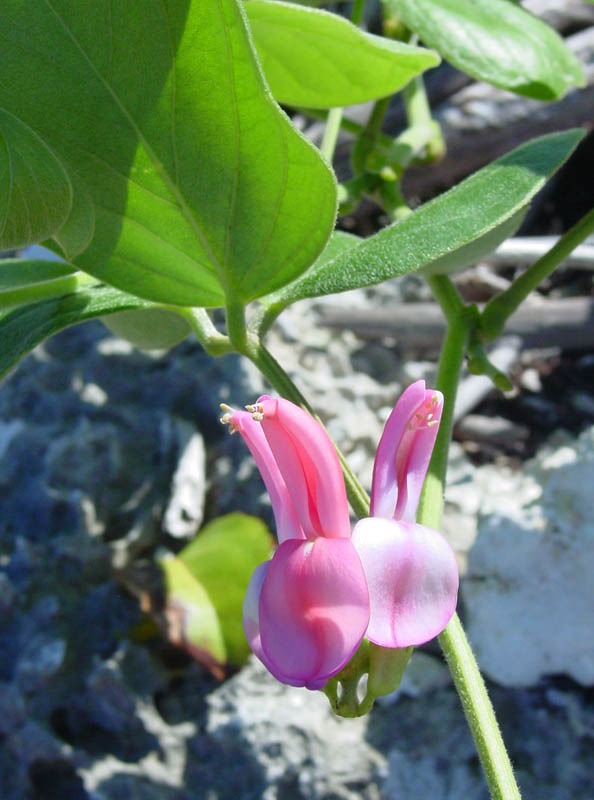
Anaa, Tukuhora
J.-F. Butaud
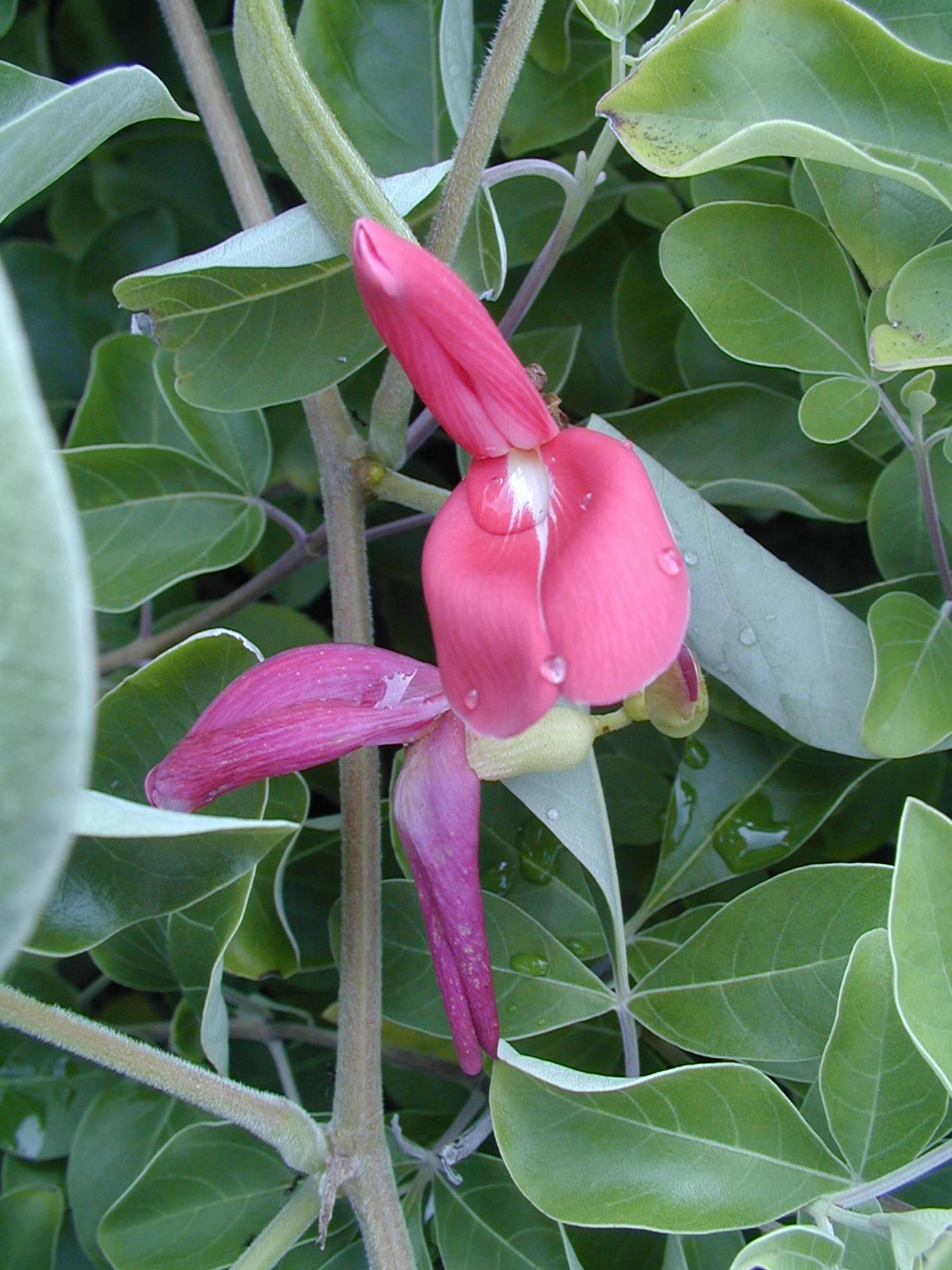
Fleur - Rurutu, Paparai (novembre 2003)
Jean-Yves Hiro Meyer
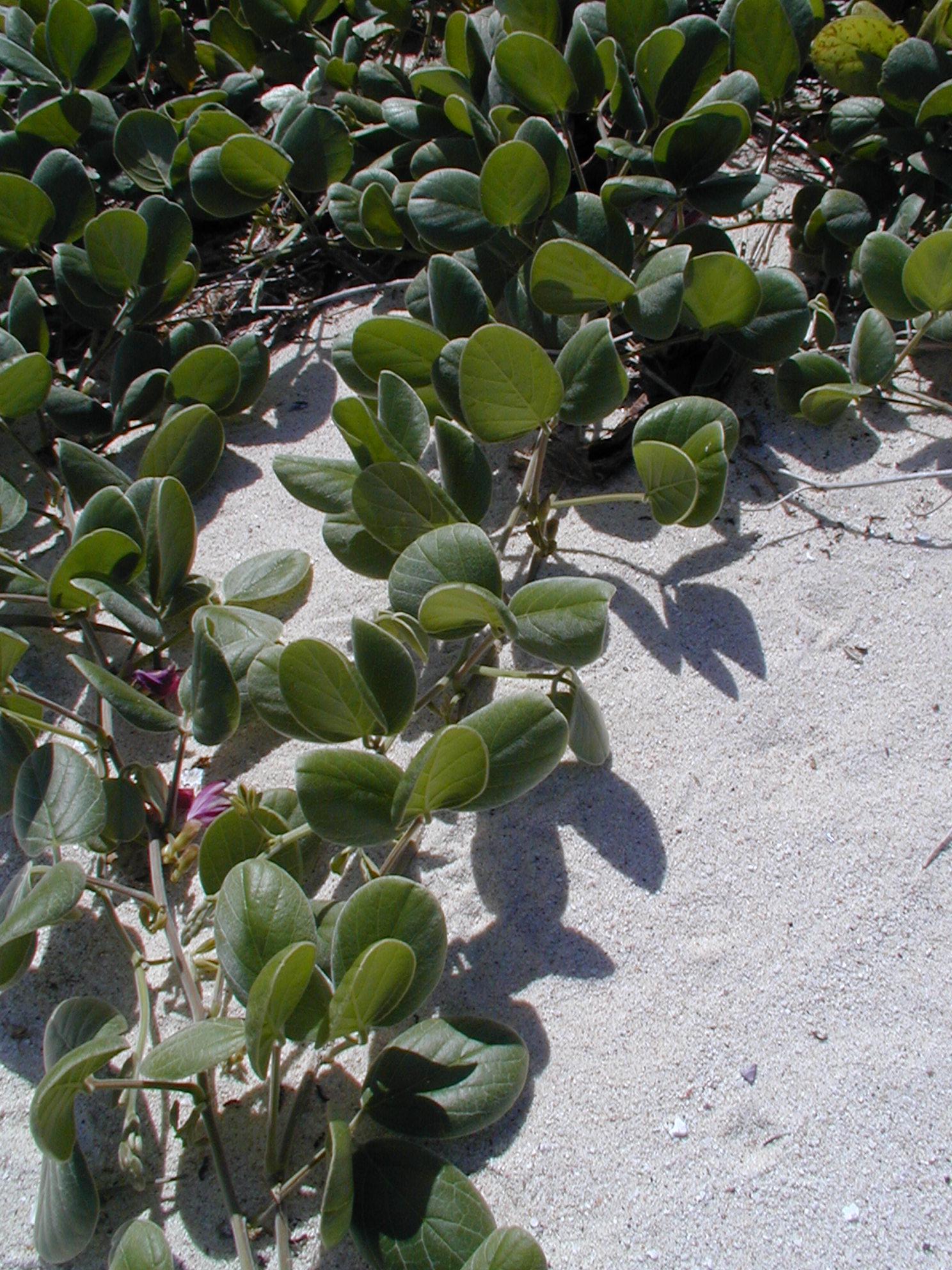
Port - Rurutu, Araroa (novembre 2003)
Jean-Yves Hiro Meyer
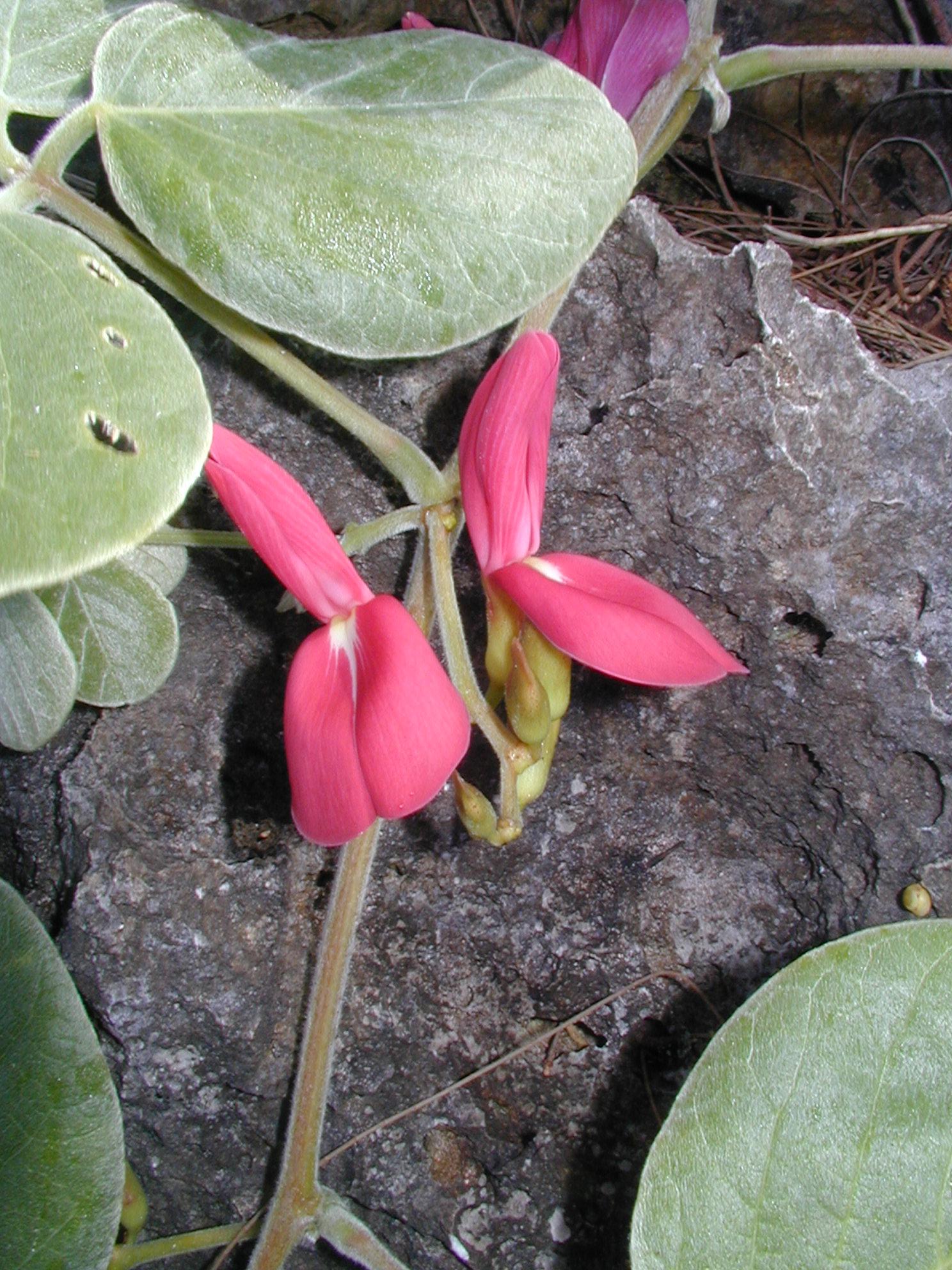
Fleurs - Rimatara, Mutuaura (octobre 2004)
Jean-Yves Hiro Meyer
| Les références bibliographiques de Canavalia sericea A. Gray |
| Titre de l'ouvrage, de l'article ou référence | Année | Page | Géographie |
|---|---|---|---|
| United States Exploring Expedition during the years 1838, 1839, 1840, 1841, 1842 under the command of Charles Wilkes U.S.N. vol. XV. Botany. Phanerogamia, with a folio atlas of one hundred plates. Part I. | 1854 | 440 | |
| Flora vitiensis : a description of the plants of the Viti or Fiji Islands with an account on their history, uses, and properties. | 1865 | 58 | Fiji ; Société |
| Énumération des plantes indigènes de l'île de Tahiti. | 1873 | 80 | Société : Tahiti |
| Illustrationes florae insularum maris pacifici. | 1890 | 153 | Société : Tahiti |
| Flore de la Polynésie Française. Description des plantes vasculaires qui croissent spontanément ou qui sont généralement cultivées aux Iles de la Société, Marquises, Pomotou, Gambier et Wallis. | 1892 | 50 | Société : Tahiti |
| Flora of Southeastern Polynesia. III. Dicotyledons. | 1935 | 116 | Australes : Rapa, Rimatara, Rurutu |
| La végétation des îles Gambier Relevé botanique des espèces introduites. | 1974 | 465 | Gambier : Mangareva |
| Les Orchidées de Tubuaï (archipel des Australes, Sud Polynésie) suivies d'un catalogue des Plantes à fleurs et Fougères des îles Australes. | 1980 | 113 | Australes : Rapa, Rimatara, Rurutu, Tubuai |
| Census of the flora of the Gambier Islands, Polynesia. Pacific plants studies 43. | 1988 | 15 | Gambier : Mangareva |
| Preliminary checklist of the flowering plants and ferns of the Society Islands. | 1997 | 48 | Société : Huahine, Tahiti |